



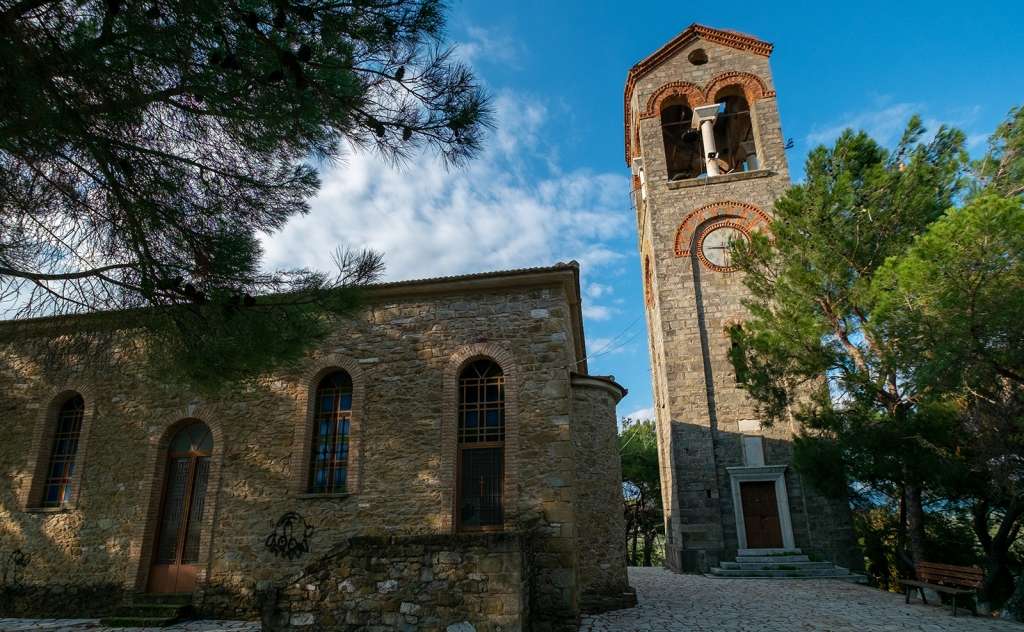
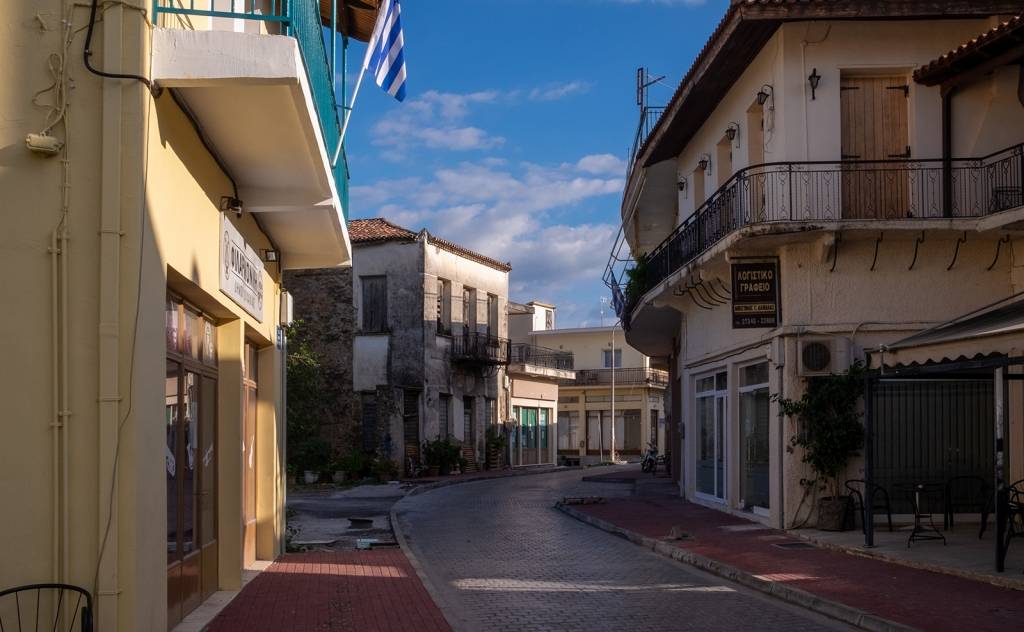
The town of Meligalas is located in the area of Ano Messinia and has about 1300 inhabitants. It is 28 km from Kalamata and 36 km from Kyparissia. Meligalas is built on the hill of Profitis Ilias, on the left side of Pamisos. On this hill, the visitor can see the stone temple of Prophet Elias with the clock in its bell tower which was built in 1930.
The name Meligalas comes from the Medieval word "meligalos" or "meligala" and indicates the person who processes and sells the drink meligalas, which according to the Byzantine scholar Phaedo Koukoule was: "a refreshing and tonic mixture of honey and milk".
Meligalas was built in the 11th century and developed during the Middle Ages. In the years of the Franks and the Venetians, but also of the Turks, it was an important city (small town), and a small trading centre for the products of the plain of Messinia. Even today, every Saturday, a bazaar takes place in the central square of the city.
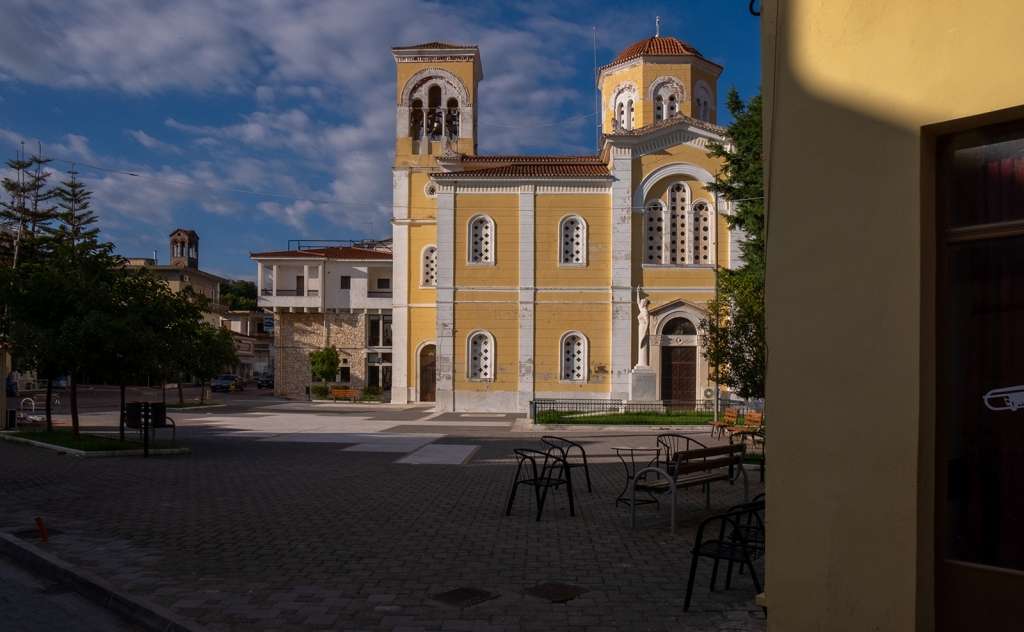
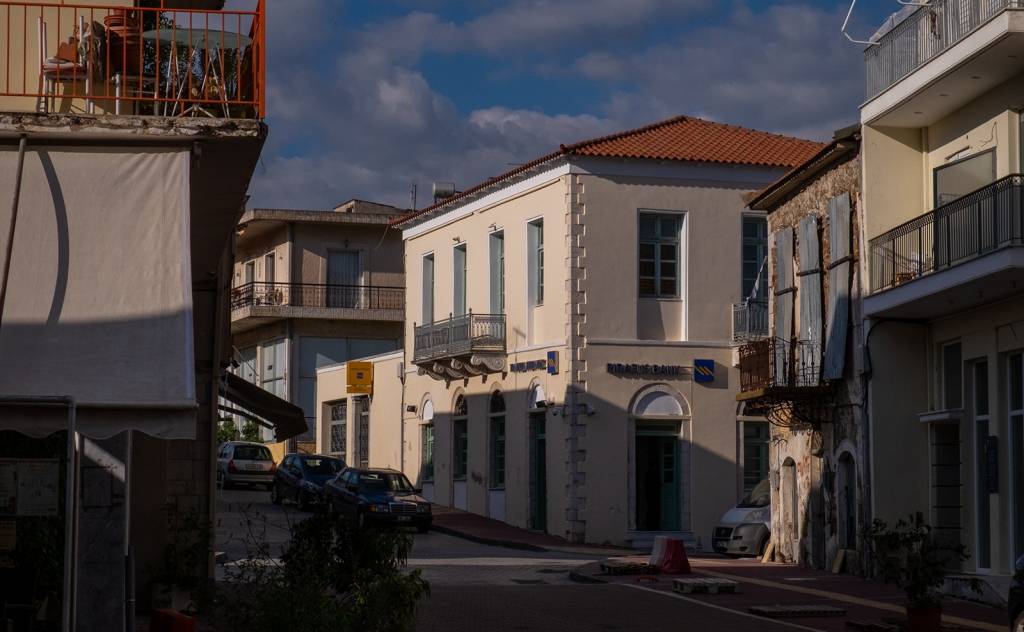
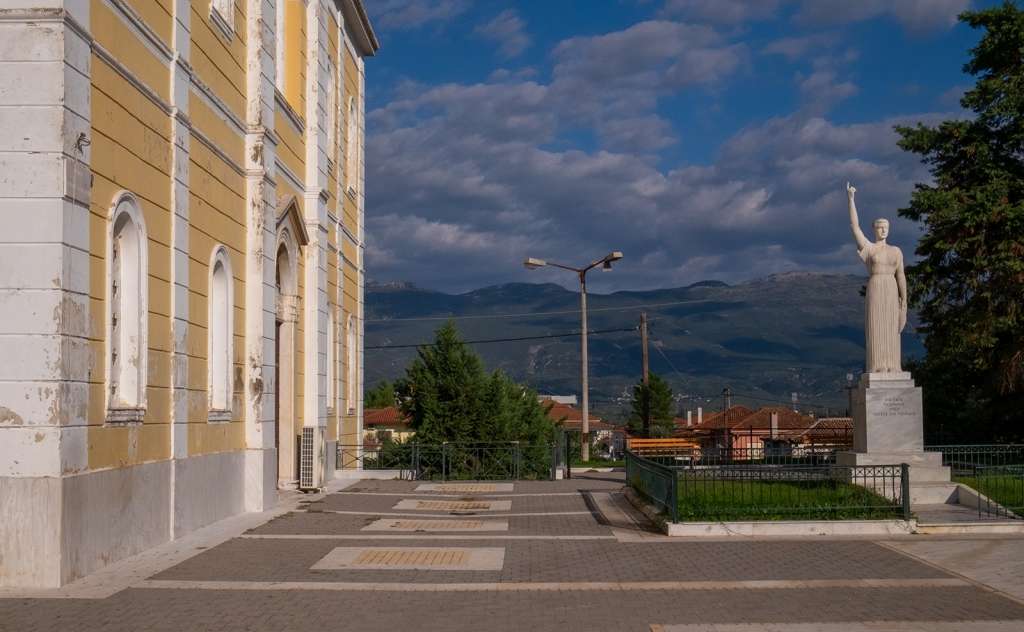
The visitor, here, can admire the numerous stone houses, the building of the old railway station, and the Metropolitan Church, which is dedicated to Agios Ioannis the Forerunner. There is also the church of Panagia Panigiristra, as well as the Byzantine church of the Patriarchs, which was built in 1400. It is located on the outskirts of the northeastern side of the city and its dome is cylindrical with a conical roof. Inside the church, there is a built iconostasis with a written decoration of folk style of the end of the 19th century.
Meligalas is known for the battle that took place in September 1944, immediately after the liberation from the Germans, between EAM-ELAS and the Security Battalions. The battle lasted for three days, resulting in the death and execution of about 800 battalion guards, buried en masse at the place called "Pigada" (at the exit of Meligalas to Neochori). At this point, a monument has been erected in which 787 names from 61 towns and villages are written.