



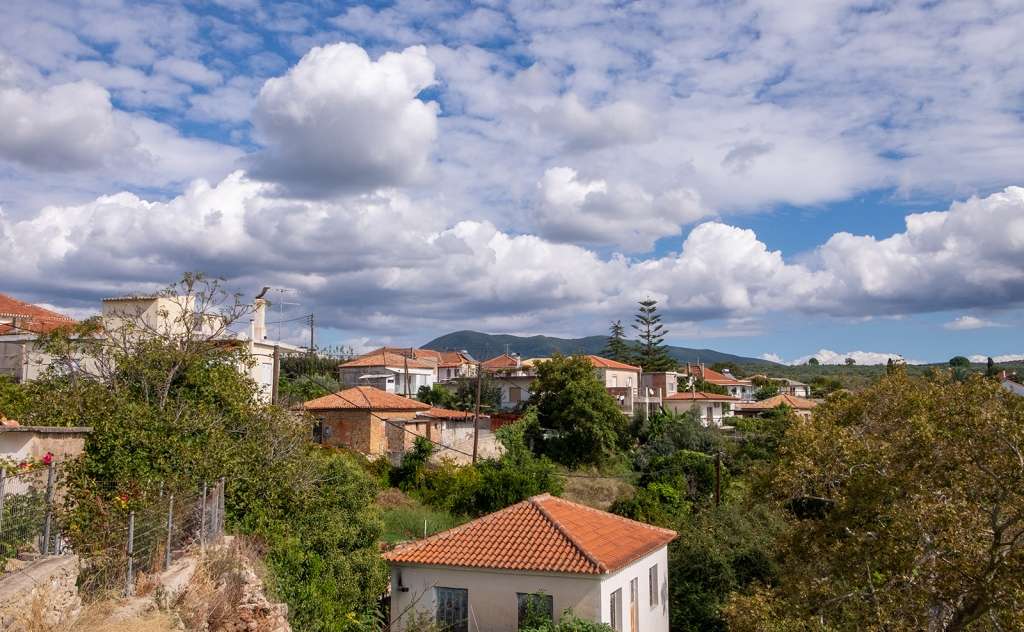
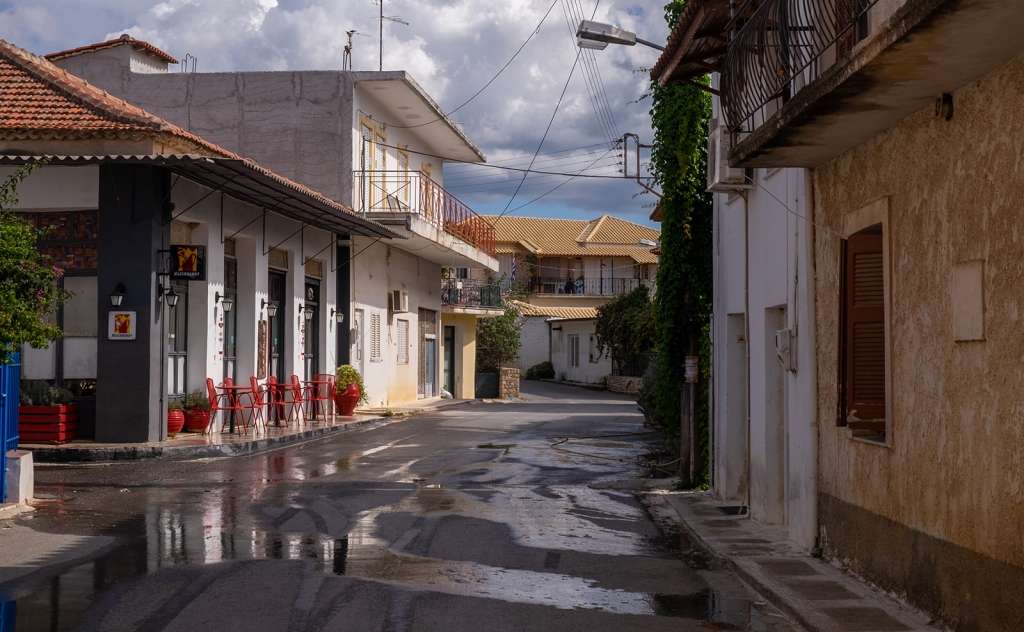
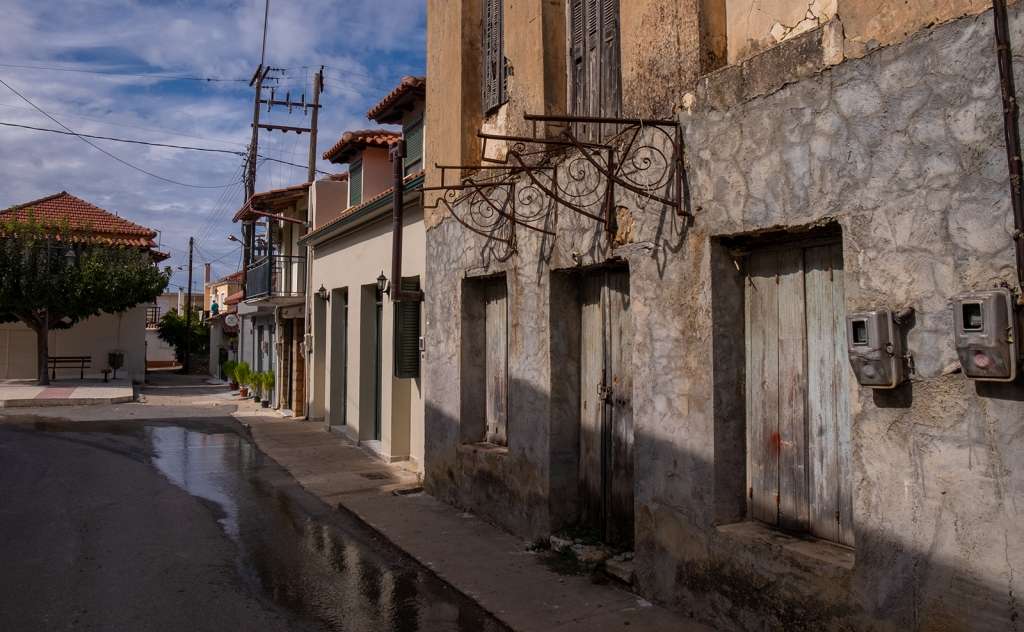
The historic village of Iklaina is located about 17 km northeast of Pylos. During the Second Venetian Occupation, it was referred to as Niclena, while the visitor can see the fountain dating from that time, which, in fact, is still in operation. In the village, it is worth admiring the traditional, stone houses, as well as the old Primary School. Iklaina is a place with rare archaeological findings and is one of the places to visit when you are in Messinia. Its name came from Niglaina, daughter of King Nestor who had her baths there.
The history of the research in the area dates back to 1954 when archaeologist Spyridon Marinatos brought to light a cobbled street, Cyclops walls, as well as parts of a monumental building (probably a palace). All these findings can contribute to the characterization of Iklaina as a dominant capital. It is considered the oldest administrative centre of Messinia, located 4 km, in a straight line, from Englianos. It is estimated that the city may have been a dowry to Nestor's daughter and is even mentioned in the royal records of Pylos, written in Linear II.
After years of surface research, the official beginning of the excavation took place in 2006 and the total installation is estimated to extend to 20 acres. The hoe of the Archaeological Service and the University of Missouri-ST Louis led by Professor Michalis Kosmopoulos brought to light, rich findings from 1600-1100 BC (Bronze Age) and contributed greatly to the enrichment of our knowledge about the creation of the Mycenaean states. A monumental gate leading from the district with the houses and workshops to the administrative centre of the city is one of the most important findings. From the point of the gate, a paved road 17 meters long and wide equal to the gate (2 meters) of such quality that its counterpart does not even exist in Mycenae, begins. What also makes Iklaina stand out is the water supply and sewerage system of the city, as well as the more than 2500 fragments of murals with representations of female figures, sailors, fish, etc. Among the representations, a representation of a ship with three human figures and two dolphins that refers to respective frescoes of Thera and Kea stands out. At the same time, the city was an important metallurgical centre with more than 200 professionals. According to the information found, the city was destroyed by fire, while a female burial, aged 30-35 years, was also found, which seemed to have suffered in her life and may have had tuberculosis or she was also a slave.