

The Spartium (plant) in Mani


Spartium, also known as aspartia (Spartium junceum), is a shrub that grows almost throughout Greece. Still, it has been observed to grow in larger quantities in the Peloponnese, especially in the Messenian and Laconian Mani. It is a shrub 1-3 meters high of the Fabaceae family with numerous, rope-like branches and small, sparse leaves. Its flowers are yellow and fragrant, and the bush blooms from mid-April until June.
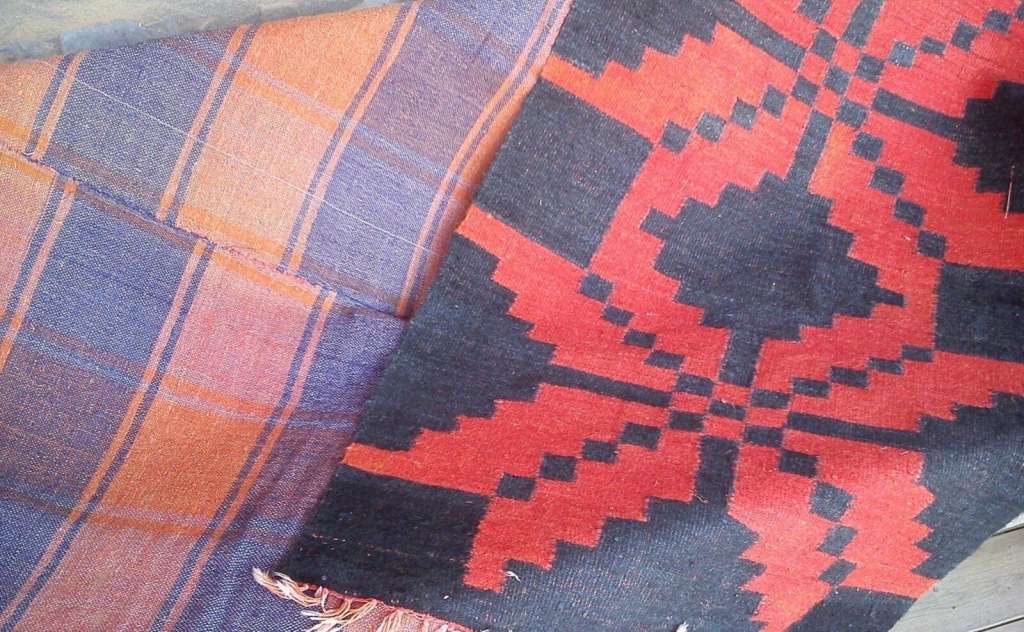
In the old days, the owners of the fields protected the Spartium so that others would not come and cut it because it was a staple item for every home. In particular, it was used to produce textiles of exceptional strength since Spartium has the property of not being attacked by any insect. They made straws, liopana (cloths for picking the olives), sacks (for transporting the wheat to the mill) and blankets from the bush. In fact, during those difficult years in Mani, the dowry of the girls was, for the most part, made of Spartium.
The plant was harvested during the summer months so that it would not have any flowers. Initially, they cut the branches into bunches (small bundles) and placed them in the sun until they turned white. They were then boiled in large cauldrons after being stoned until they began peeling. When they were ready, they were placed in the river (in running water) for 5-8 days, being careful that sheep or goats passing by did not drink the water and get poisoned. Taking the bunches out of the river, they beat them with the kopano (wooden tool), drained them and carried them home. While they were fresh, they removed the skins left on each branch, soaped the threads, dried them, smoothed them with the lanaria (toothed tools) and made tulupes. Then, the Spartium was ready to be used!