

Point 12-The Route of N. Kazantzakis and the real George Zorba in Stoupa


(Source: NARTURA, Cultural Association for Art & Nature)
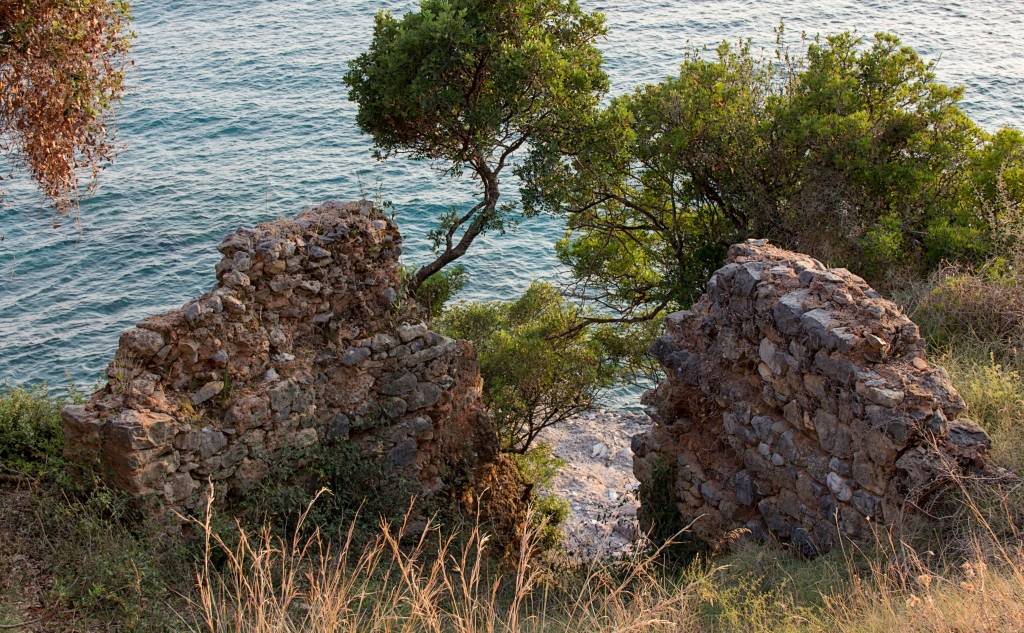
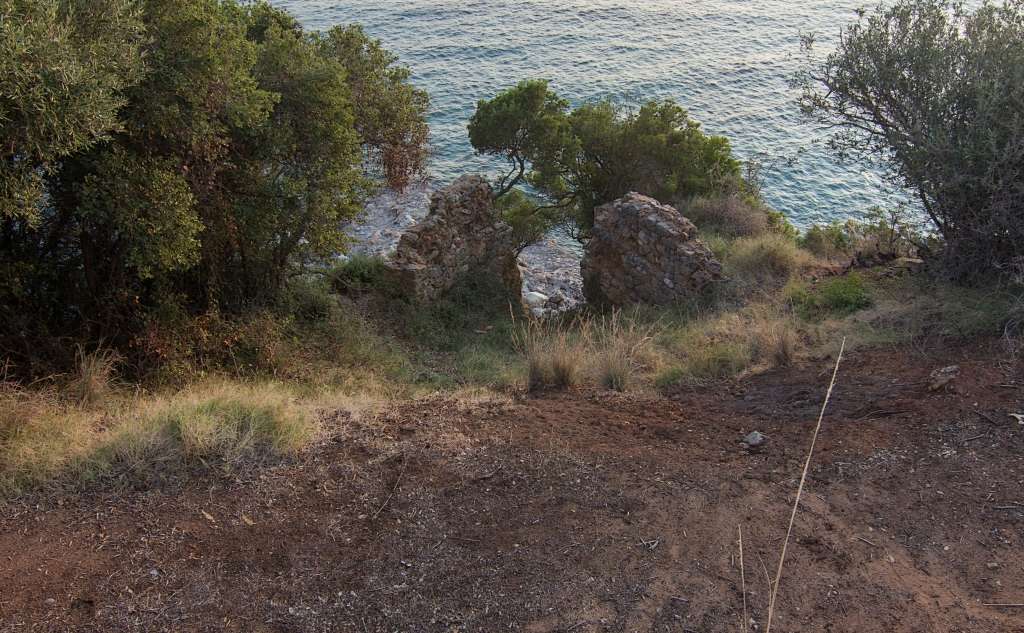
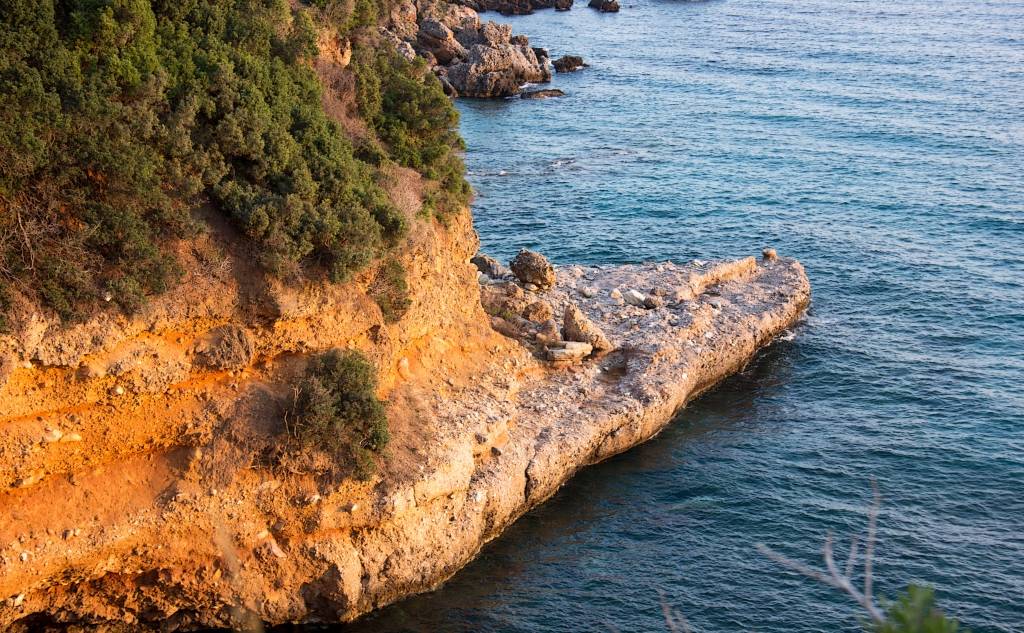
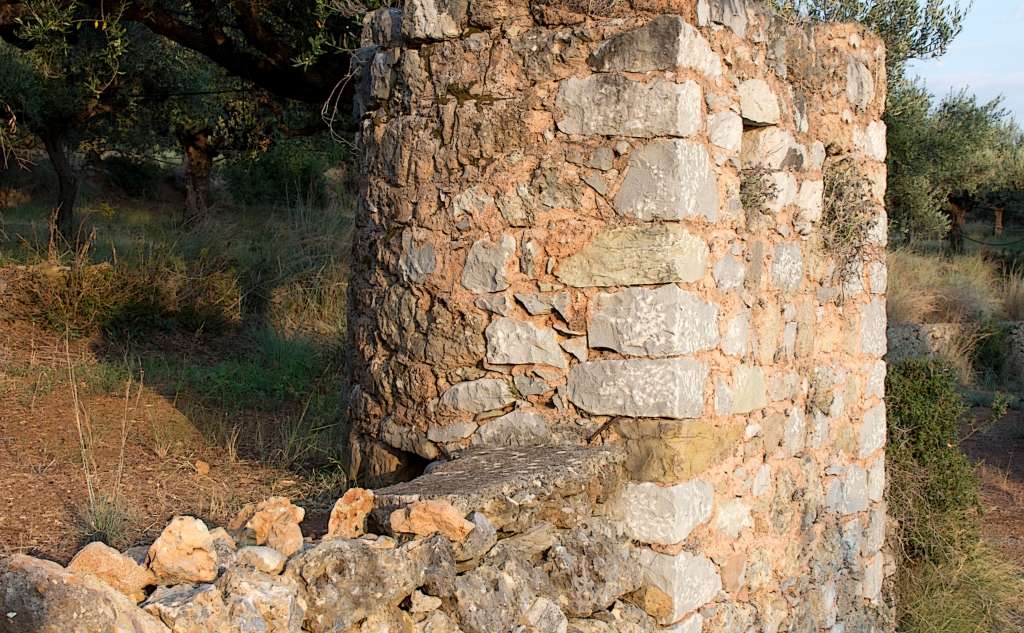
A small stretch of coastline, humble at first glance, carries the heavy burden of memory and hard labour. Louki is not a poetic name but a literal one, derived from the great funnel that still stands proudly there, like the mouth of a machine that swallowed coal and released history.
Here, at the edge of Prastova, ended the Decauville railway line, a small train, remarkable for its time, whose wagons carried lignite from the mine galleries, following the natural slope of the land. The lignite was unloaded onto the ground, sorted, and then transferred through an aerial loading system directly onto ships.
Louki was not merely a terminal station. It was the heartbeat of the enterprise, the place where raw matter became commerce and human beings became workers of the future.
The little train, the road of the black treasure
The workers pushed the wagons back toward the galleries. An endless route. A relentless routine.
There was even a blacksmith’s workshop here, where tools, wheels, and rails could be repaired on site. This harbour supplied Kalamata, Piraeus, and Volos, sending out a product born from sweat and danger.
A newspaper from Kalamata, April 2nd, 1917:
“We are pleased to learn that the exploitation of the Prastova coal mine has begun, and coal is already being extracted and transported to Piraeus. Orders have also been placed from here.”
Coal had become news. Prastova had acquired an industrial voice.
Zorbas, the mind that thought with hammers
Georgis Zorbas, practical and perceptive, was never impressed by theories. When the engineer Diamantopoulos envisioned building a lime kiln using the residue from the lignite, Zorbas listened to his instructions, looked at him, and replied with his familiar folk wisdom:
“Everything you’re doing is wrong. You’ll never produce lime.”
Diamantopoulos became angry, yet in the end, the worker proved correct. Zorbas closed the discussion with a smile and a phrase that remained legendary:
“Diamantopoulos, not everything is written in those damned papers!”
The collapse, when matter cannot sustain the dream
Despite the early optimism, the enterprise collapsed in 1918. Underground waters ruined the quality of the lignite, and the market lost interest. The dream ended, but not for Nikos Kazantzakis.
Caucasus, from Louki to the steppes of history
In 1919, Eleftherios Venizelos entrusted Kazantzakis with the mission of repatriating 150,000 Greeks from the Caucasus, appointing him Director General of the Ministry of Welfare. And there, Kazantzakis took Zorbas with him. From the depths of Mani to the snowy steppes of the Caucasus, their friendship remained unshaken.
The experiences of that mission profoundly influenced Kazantzakis. Later, he incorporated them into Christ Recrucified, giving literary voice to human suffering and national struggle.
In 1920, after a change in government, he left public office and began a new series of journeys across Europe, studying philosophy, politics, and systems of human life.
But Zorbas remained within him forever.
Louki as a symbol of transition
- From the galleries to Louki.
- From coal to paper.
- From Mani to Caucasus.
- From Zorbas to Alexis.
Louki became the point of launch.
Here, the physical world ends, and the spiritual world begins.
Here, manual labour gives way to creation.
Here, Zorbas ceased to be merely a worker. He became a symbol.
And Kazantzakis, gazing at the funnel that devoured coal, in order to load it onto ships, saw within it an entire people, and placed them into his book.