Point 9-The Route of N. Kazantzakis and the real George Zorba in Stoupa
Spread the word


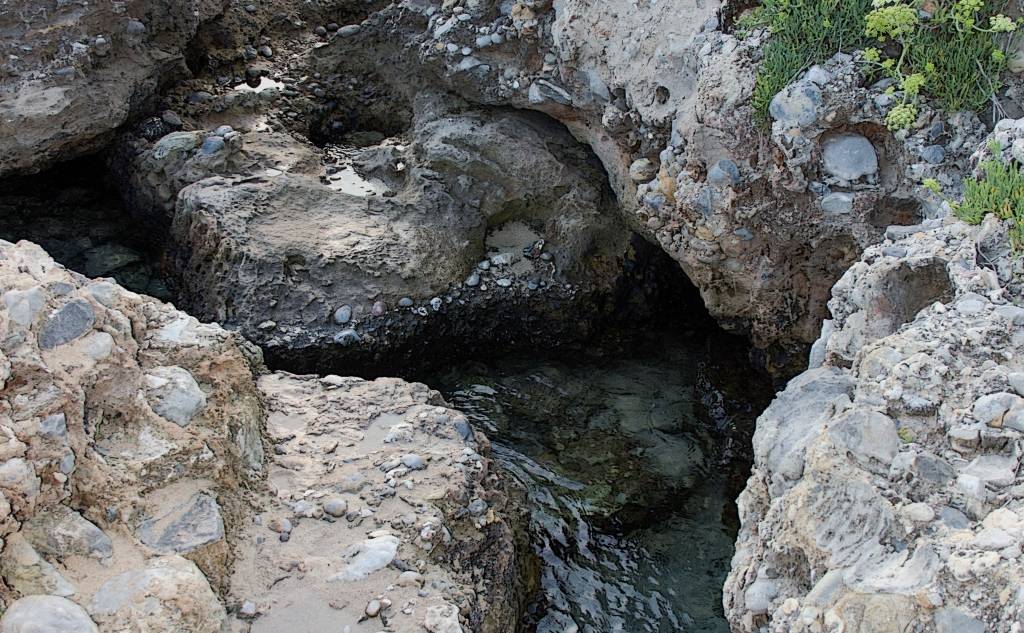


(Source: NARTURA, Cultural Association for Art & Nature)
In this corner of Mani, among rocks and greenery, a stream of crystalline life flows endlessly. It is the Spring of Prinkipas, a humble yet sacred place, fed directly from the depths of Mount Taygetos. Here, the waters do not merely have taste, they carry memory. For it was from these waters that two figures who would leave a lasting mark on literature and human friendship once refreshed themselves: Nikos Kazantzakis and Georgios Zorbas.
During their stay in Stoupa, they often came down to the spring to drink water, to rest, and to reflect. Here, far from noise, among the silence of the trees and the murmur of flowing water, vision became clearer and words prepared themselves to be born.
The origin of the name, from Villehardouin to Prinkipas
According to local tradition, the spring took its name from Prince William II of Villehardouin, ruler of Moreas, who, around 1250, would often rest here. At that time, he controlled the nearby Beaufort Castle and was said to hold a particular affection for this place. Thus, the spring became known as “the Prince’s Spring”, and the noble foreign name endured through the centuries until today.
Amorosa, an attempt at death, an inspiration for life
But the spring did not host only princes and philosophers. It also witnessed dramas of the heart.
From the cliffs surrounding it, a woman once threw herself into the sea, a woman the locals called Amorosa. She was Diamantopoulos' lover, who was a mine engineer. When her relatives arrived from Volos, it seems she felt pressured, ashamed or even afraid, and leapt into the void. Diamantopoulos himself jumped in after her and rescued her from certain drowning.
Her story deeply moved the local community, but above all, it settled in Kazantzakis' mind profoundly. Many speculate that Amorosa became the hidden inspiration for Madame Hortense, the unforgettable figure in Zorba the Greek.
Madame Hortense, with her tragedy, her fading beauty, her wounded femininity, and her untamed spirit, seems to have emerged from the very same wave as Amorosa, who were women alone, passionate, with hearts too large for the conventional roles imposed by society.
The spring as a symbol, a place of purification and passage
The Spring of Prinkipas is a natural formation that transforms into a symbol of purification and transition.
Here, Zorbas quenched the thirst of the body, while Kazantzakis quenched the thirst of the spirit. Within its coolness, the anxieties of the day dissolved, and hope for the next step was born.
It is no coincidence that the writer chose to live nearby, in the little house of the Exarchouleas family, which he requested to rent “for three months,” as he wrote in his letter to Zorbas. He wanted the spring close to him, not only for its water, but for its depth.
The Spring of Prinkipas is a place where history became legend, legend became literature, and literature became a voice heard around the world.
Here meet:
And you, traveller, if you place your hand in the water, if you bend to drink, perhaps it will not only be your mouth that is refreshed, perhaps you may feel your soul’s thirst quenched as well.