

Point 10-The Route of N. Kazantzakis and the real George Zorba in Stoupa


(Source: NARTURA, Cultural Association for Art & Nature)
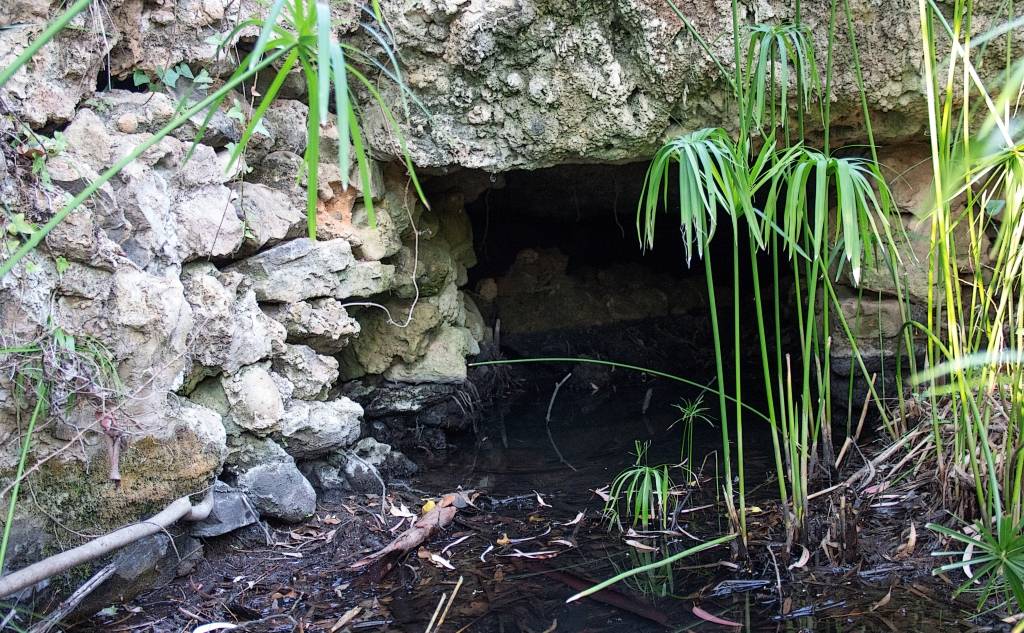
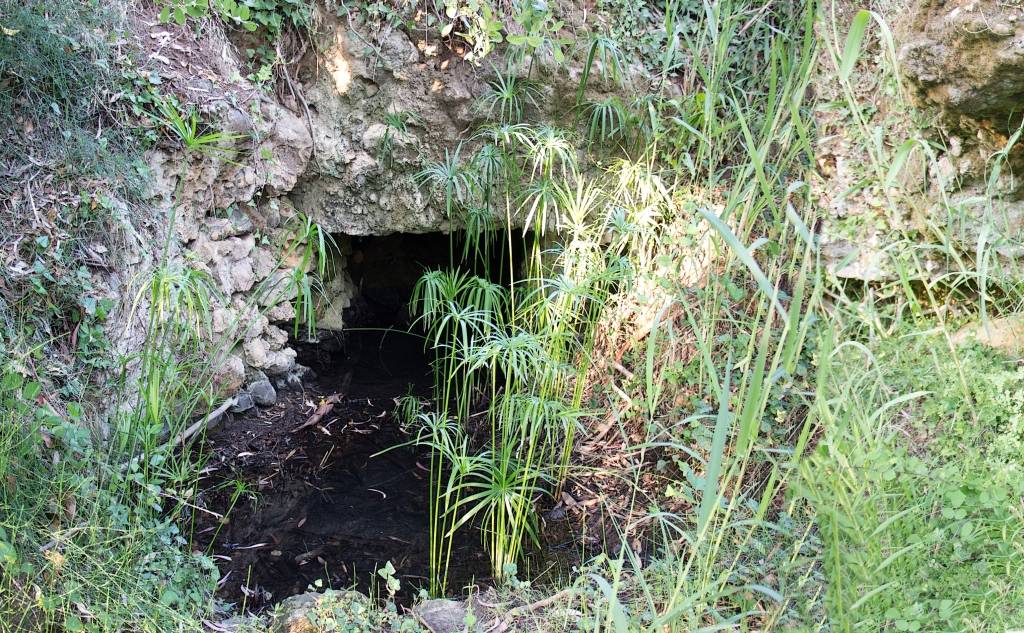
Among shadows, ferns, and forgotten paths, within the mountainous terrain of Prastova, the entrances to the lignite mine galleries remain hidden yet alive. It was here that the sound of pickaxes once echoed, along with the voice of Zorbas and the workers' breath. Here, pain became labour, stone became coal, and coal became literature.
Today, the main entrances have vanished with time, yet two small tunnels still stand like silent mouths, ready to speak to anyone willing to lean close enough to listen.
The mining operation, a landscape lit by acetylene
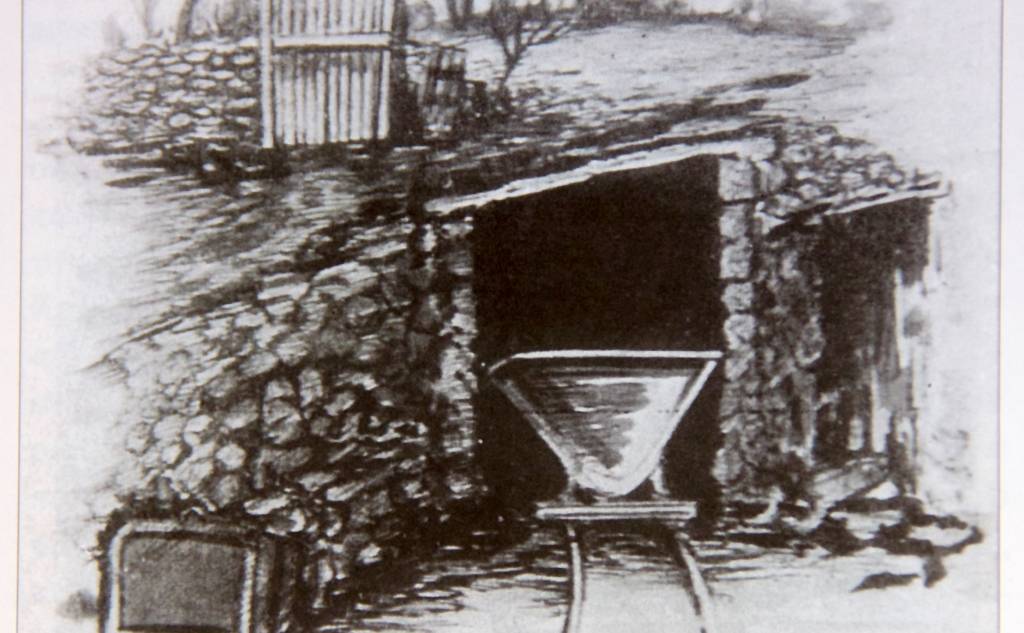
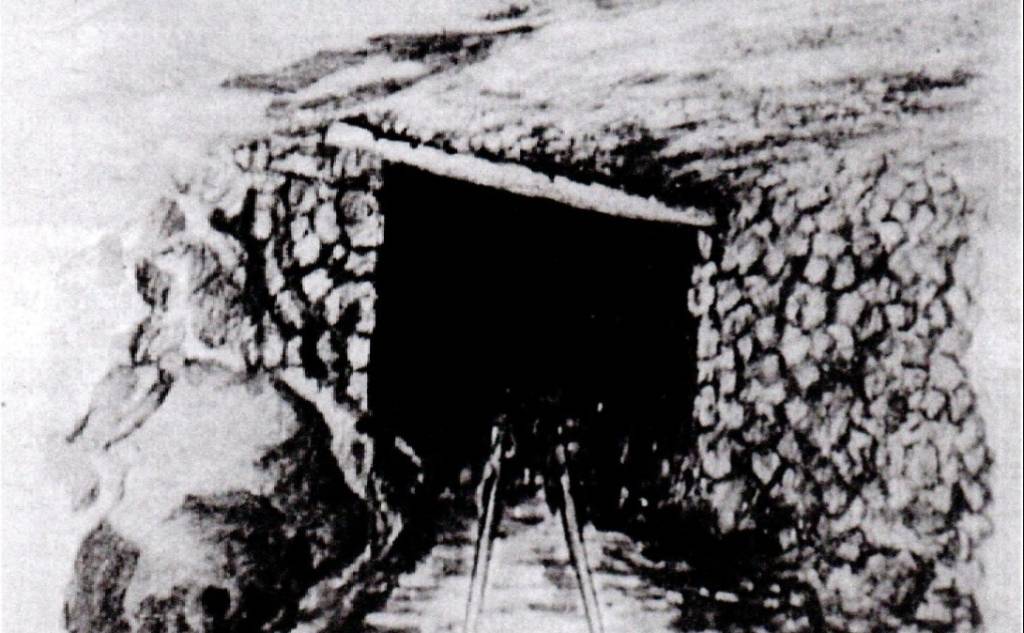
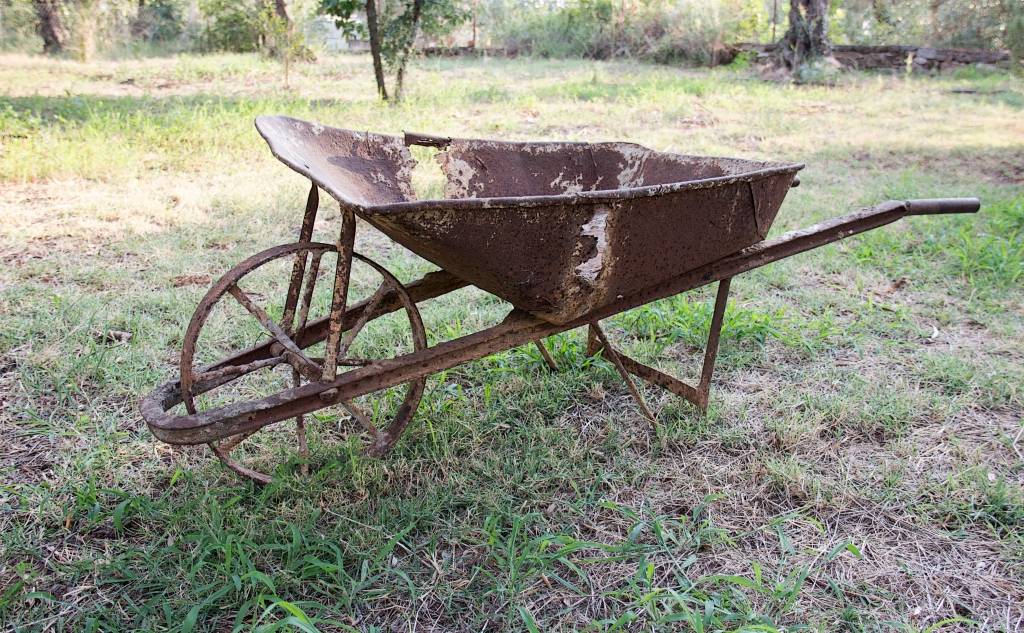
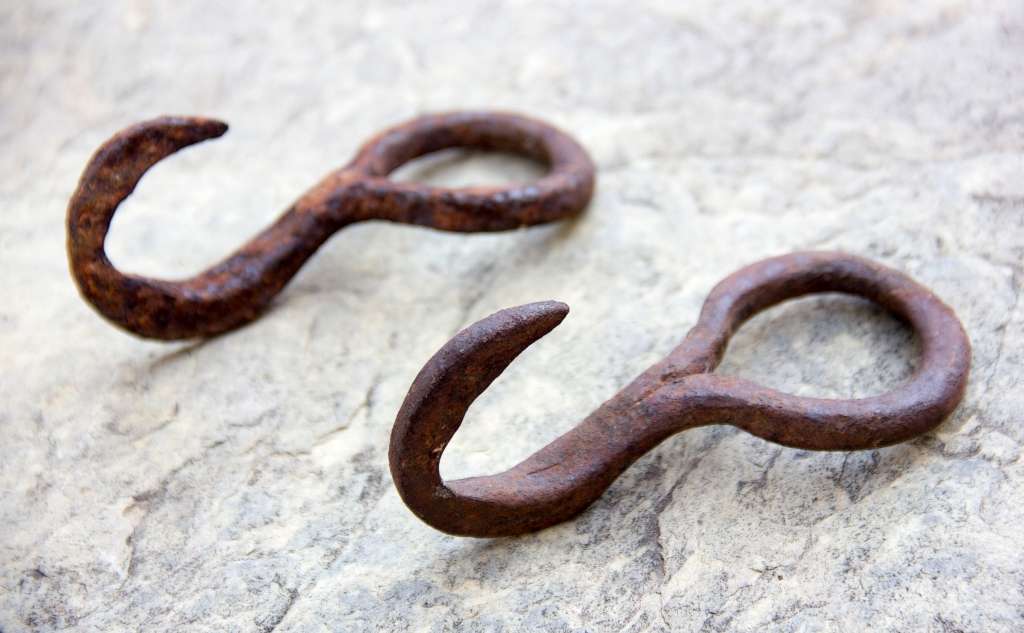
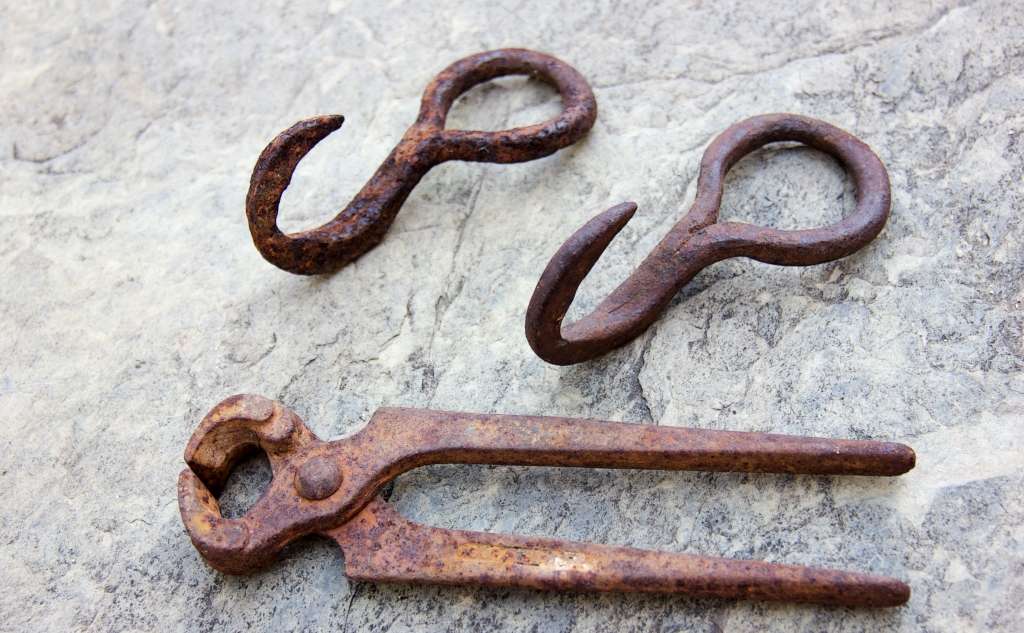
Mining activity began in 1916 and lasted until 1918. It was among the first such enterprises in Mani and provided vital economic relief for the local community. Workers dug with pickaxes, crowbars, and dynamite. They pushed carts loaded with coal, transferred them onto a Decauville-style rail wagon, and transported the material to “Louki,” where it was sorted and loaded onto ships through an aerial transport system.
Inside the galleries, conditions were damp and dark, illuminated only by acetylene lamps. Timber supports held up the ceilings. It was an underground world, a world of struggle, but also of passion.
From the book, page 219
“The workers labored with fury, only Zorbas could sweep them along with him. Beside him, work became wine, song, love… War would erupt inside the galleries, and Zorbas charged ahead, fighting chest to chest.”
Zorbas, the man who became coal
Georgis Zorbas was the foreman but also the soul of the mine. With the eyes of an eagle and the voice of a hammer, he supervised every worker and every task. He even gave names to the galleries: “Goumenissa,” “Katourlou,” “Stravokana.” By naming them, he gave them faces, so he could conquer them. As Nikos Kazantzakis wrote, he was a warrior of matter itself.
From the book, page 139
“I looked at the vein… dark brown, gleaming…
Zorbas was blackened, entirely coal-darkened, with only the whites of his eyes shining.
He had become coal himself, camouflaged in order to storm the fortress.”
Daily life, testimonies of a living place
The mining enterprise provided work for dozens of people from Stoupa and the surrounding villages, water carriers, loaders, and mechanics.
Among them was Eftychia Theodorakea, only sixteen years old at the time, who carried water jugs to the workers. She became friends with Zorbas’ daughters, especially Filio, and later remembered their laughter, their clothes blackened by dust, the exhaustion, and the solidarity they shared.
Nikolaos Rouseas, a resident of Prastova, remembered that period as a “year of bread,” a time when the galleries offered hope. Even when the coal proved poor in quality because of the underground waters, and the enterprise eventually closed, gratitude remained.
“Zorbas was strict, but worthy,” he would say.
Kazantzakis, present yet always elsewhere
Kazantzakis rarely appeared at the mine itself. Every appearance of his seemed dreamlike, distant, almost hypnotised, as the locals described it. He was not a man of physical toil, but of thought. He observed, listened, and recorded. He was present in spirit, gathering the experience that he would later transform into literature.
From the book, page 219
“He gave names to the galleries… and thus they could no longer escape him.”
Zorbas gave identity to lifeless things, and Kazantzakis gave voice to human beings.
The Reader-The humour of innocence
One uniquely human touch in this story is “The Reader,” a real man from one of the few houses in Prastova. One day, he found a book without a cover, and when he opened it to the first page, which read “Contents,” he believed he had discovered a rare masterpiece full of “great content,” and proudly brought it to Kazantzakis.
The writer laughed with affection and respect. For ignorance here was not shameful-it was innocence, generosity, and a tender humour that reflected the deeper comedy of life itself.
Galleries that became literature
The galleries of Prastova are surely remnants of an industrial era. One could also say that they are the stage upon which intersected:
- Zorba's action
- Kazantzakis' thought
- The workers' hope
- The honesty of people who struggle daily
Here, deep within the heart of Mani, the stone concealed not only coal, but stories, characters, and future words.
Kazantzakis did not need to visit the place often. He had already seen, felt, and absorbed Zorbas, and from that moment onward carried him everywhere within himself.
And the galleries, though silent now, do not forget. They remain there, waiting for the footsteps of someone who can hear not only the sound of stone, but the echo of a life that became a novel.