

Point 3-The Route of N. Kazantzakis and the real George Zorba in Stoupa


(Source: NARTURA, Cultural Association for Art & Nature)
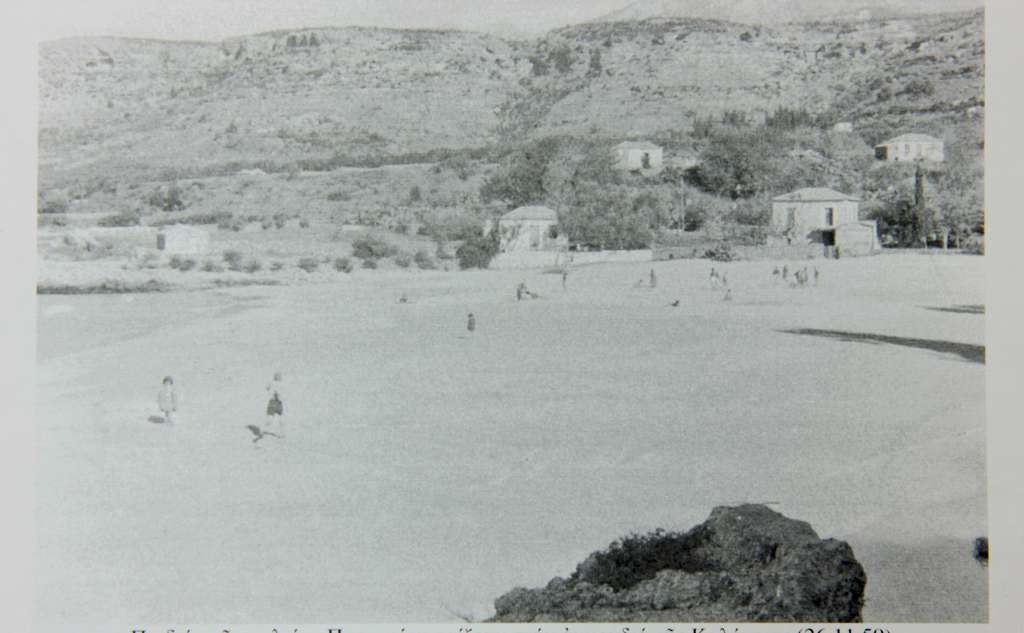
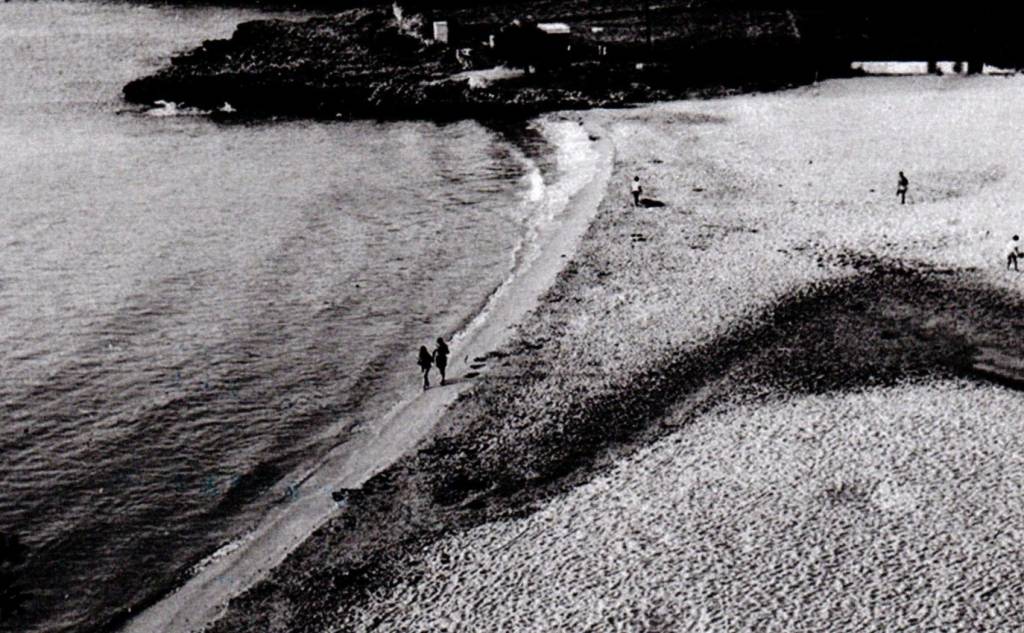
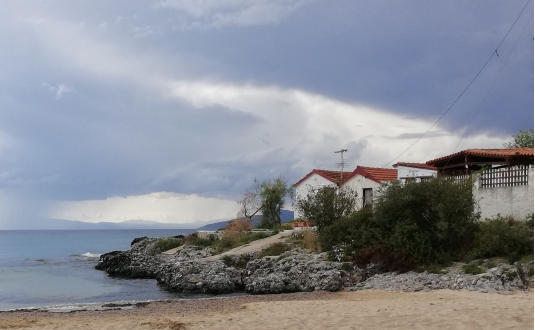
Here, in the sandy embrace of Kalogria Beach, where the sea mirrors the sky and the shadows of the trees dance across the fine sand, the true story of Georgis Zorbas and Nikos Kazantzakis was born. This idyllic landscape is not merely a backdrop, it is one of the protagonists itself.
According to local tradition, Kalogria takes its name from a nun who once lived here. Yet the place’s most sacred figures are Kazantzakis, who deeply loved this land, and Zorbas, who felt completely at home here. It is in this very place that the events inspiring the novel Zorba the Greek truly unfolded, not in Crete, as many people believe.
Summer 1917, Nature in Harmony with the Soul
The landscape was almost untouched. Only two houses stood in the wider area, and three narrow paths quietly led to the sea. Oleanders, myrtles, wild fig trees, and orchards framed the beach. Small streams embroidered the sand like delicate artists of nature, while freshwater springs bubbled beneath the crystal-clear sea.
From page 89 of Alexis Zorbas:
“I filled my palm with fine blond sand and let it slip warm and soft through my fingers.
My hand became an hourglass, and life flowed away and vanished. It vanished, and I gazed at the sea, listened to Zorbas, and my temples rang with happiness.”
Here, time seems to acquire another dimension. Here, Kazantzakis felt life speaking to him, not through philosophical books, but through sunlight, waves, and the words of his friend Zorbas.
Artistic Companionship and Spiritual Fever
During the summer of 1917, Kalogria hosted an extraordinary gathering of artists and intellectuals.
Among them were Galatea Alexiou, Kazantzakis’ first wife, together with her sister Elli; Angelos Sikelianos and his wife Eva Palmer Sikelianos; and pioneering actresses Marika Kotopouli and Kyveli.
Literary evenings, discussions, recitations, ideas, and dreams created a unique spiritual festival by the sea.
Every day, Kazantzakis and Sikelianos walked the paths of Mani with their walking sticks, discussing philosophy and language, searching for words among the locals and images within nature itself.
Their Welcome, Music, Celebration, Zorbas
On the very first day of their arrival, Zorbas organised a great feast at his little seaside home. The mayor, Patriarcheas, who played the mandolin, was invited. Zorbas took up his bouzouki and sang:
“When my heart closes, no key can open it,
only bouzoukis, mandolins, and violins,
and beautiful companionship.”
And indeed, hearts opened. Because here there was no capital or province, no fame or obscurity. Here, there were simply people.
Scandalous Women, Or Fearless Pioneers?
The women of the group shocked the local society. They wore trousers, smoked cigarettes, and, most scandalously of all, did not know how to cook. They were also the first women ever seen swimming in the sea wearing bathing suits.
One day, when a shepherd encountered them near a spring, he fled in panic shouting:
“Fairies! Fairies have appeared at Kalogria!”
Kazantzakis and Sikelianos, Two Different Souls
Kazantzakis was introverted, observant, and difficult to approach. He bonded closely with only a few locals, such as Elpidoforos Chioureas and Kostas Patriarcheas. At one point, he undertook a long journey on foot to Mystras, accompanied by a Maniot guide. When he returned, he remained in bed for three days, exhausted but fulfilled.
Sikelianos, by contrast, was radiant and extroverted. He spoke with everyone, shepherds, fishermen, and villagers alike. He visited the mine only once. Coal did not interest him; light, sea, and poetry did. Dressed in white, he would recite verses before the waves like an ancient oracle.
Eleni Kazantzakis, A Pilgrimage of Love
Years later, when Eleni Kazantzakis, the writer’s final wife, visited Kalogria, she was moved to tears. She found the landscape exactly as Nikos had once described it to her.
The locals guided her with tenderness and respect, showing her their old house, the hut, the mine, and the coal-loading point known as “Louki,” a word in the local dialect meaning “channel” or “groove.”
Continuing Legacy, Festivals of Memory and Inspiration
Kalogria Beach remains, to this day, a place of remembrance and tribute.
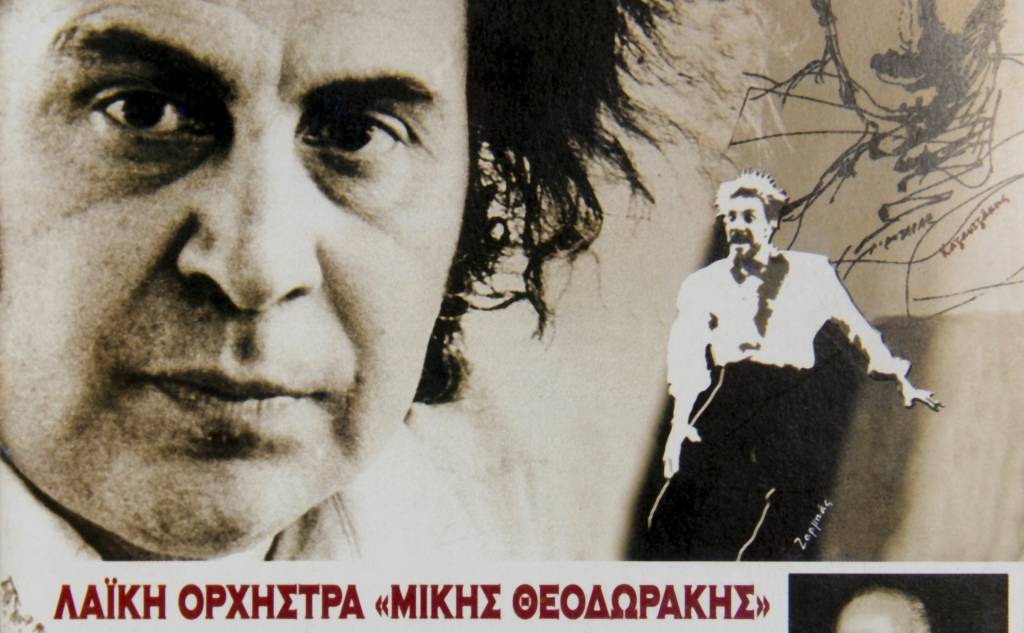
In 1998, the legendary Mikis Theodorakis Orchestra gave a unique concert here in the presence of Mikis Theodorakis himself, who, deeply emotional, performed his own songs.
Since 2017, the cultural association NARTURA has established an annual three-day September festival dedicated to Nikos Kazantzakis and Alexis Zorbas. The place continues to inspire art, thought, and creativity, just as it did a century ago.
Here in Kalogria, nature and spirit coexist in harmony.
Here, Zorbas danced, Kazantzakis reflected, Sikelianos recited poetry, and women broke social taboos.
And even today, if you fall silent for a moment, the air itself seems to whisper words like:
Life. Freedom. Human soul.