

Point 6-The Route of N. Kazantzakis and the real George Zorba in Stoupa


(Source: NARTOURA - Cultural Association for Art & Nature)
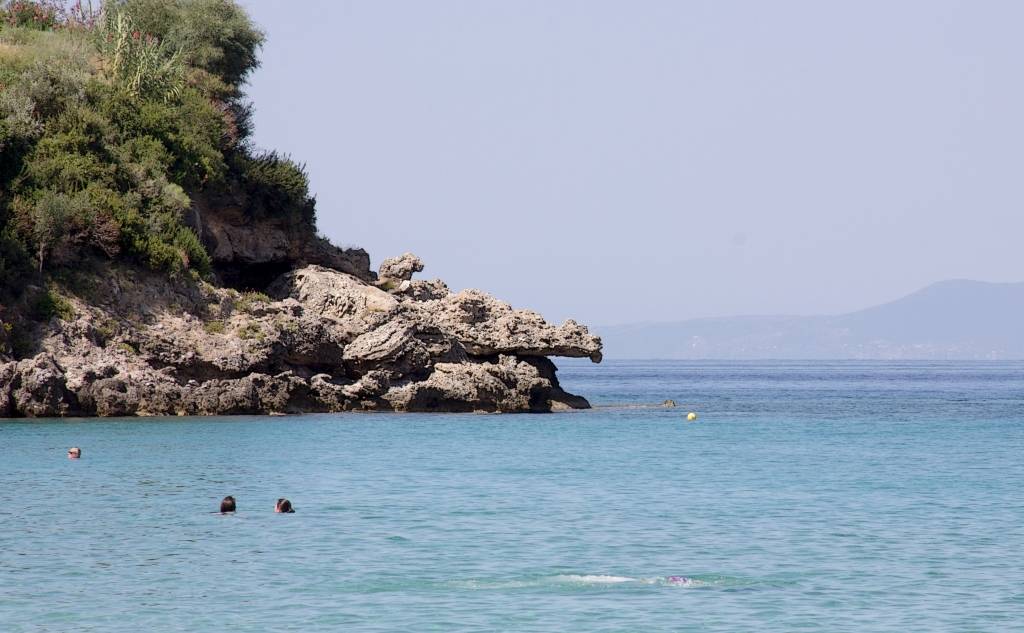
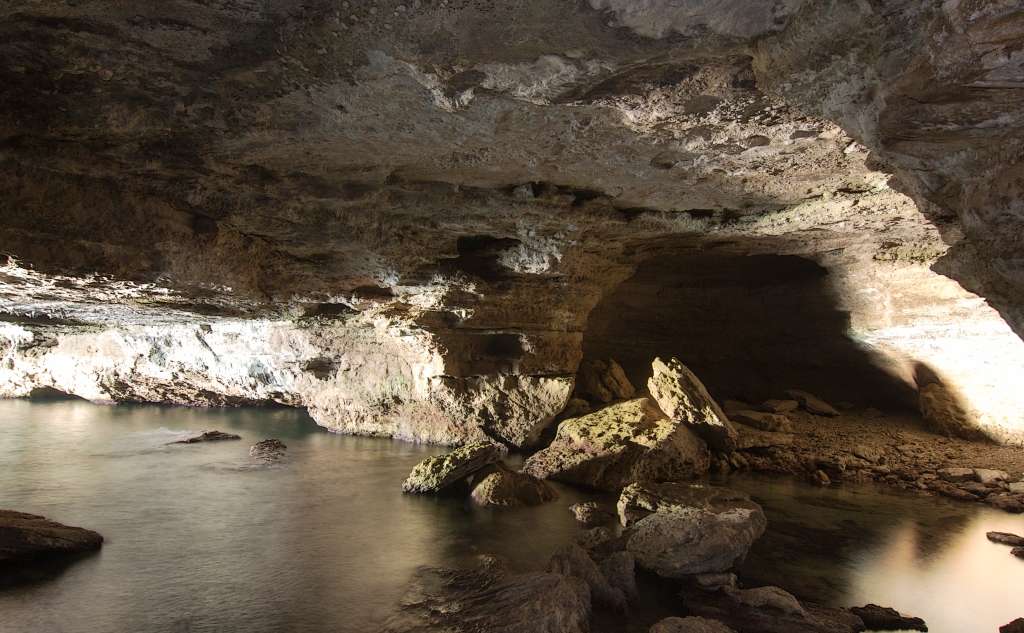
This humble opening in the rocks, this small harbour with its damp breath and stony silence, became a sacred refuge for Nikos Kazantzakis. Here, inside the cave, beneath the sound of the waves, he experienced moments of spiritual exaltation and existential peace. It was the place where, far from intrusive eyes and worldly noise, he could encounter himself.
The few locals who saw him considered him touched by strange visions, an eccentric intellectual speaking to the sea and the sky. But for him, this cave was a temple, and he himself an ascetic of thought.
The Buddha Period. A Battle with the Spirit
During his stay in Stoupa, Kazantzakis was deeply absorbed in the creation of Buddha, a work that would take years to complete but was already ripening profoundly within him. Here, in the cave, he read, wrote, and meditated. Between the sounds of water and stone, he struggled to master not only words, but also the inner heights of his own soul.
“I wrote, I struggled all day long. By evening, I was exhausted, yet I was certain that today, I had conquered several heights.
I longed for Zorba to come, so I could eat, sleep, gather new strength, and begin the battle again at dawn.”
His spiritual life was an unending struggle, not against external enemies, but against the great questions themselves. Here, in the solitude of this coast, Kazantzakis found no rest. He wrestled with God, with Man, and with Himself.
Kalogeriko, The Pointed Rock of Meditation
Behind the little harbour rises a sharp rock formation known as Kalogeriko. There, in moments of contemplation, Kazantzakis would climb upward, lean his back against the stone, and write. It was a place of meditation, inspiration, and inner ordering.
“Saturday evening, the first of March, I was leaning against a rock before the sea and writing.
I had seen the first swallow, I was joyful, the incantation of Buddha flowed across the paper.”
Here, Buddha was not merely an object of study, but the embodiment of the serenity the writer passionately sought. Kazantzakis pursued a peace that was not passive, but inwardly explosive.
The Rock of Golethros, The Night of the Poets
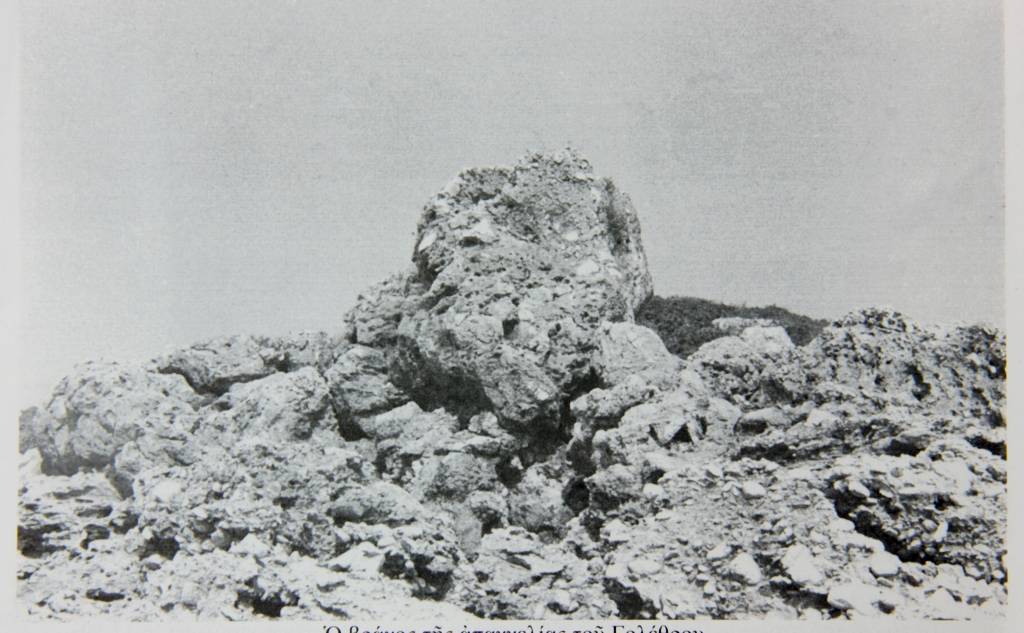
Above the cave towers another rock, the Rock of Golethros. It is said that during every full moon, especially on summer nights, the “chosen spirits of thought” gathered there, transforming the night into a theatre of the mind.
There, Nikos Kazantzakis, Angelos Sikelianos, and Marika Kotopouli recited poetry beneath the moonlight. Sikelianos with a voice like a Homeric lyre, Kotopouli with her theatrical passion, Kazantzakis with his deep and resonant silences.
On those nights, Mani became a stage for poetry, sacred ground for initiation, a meeting place between art and transcendence.
The cave, the rock, the solitude, all of it was preparation before the next breath.
Here, Kazantzakis shaped the most mature phases of his work. Here, he did not rest but laboured inwardly, dissolving and recreating himself, as he himself said, like the swallow he saw on the first day of March.
This cave, then, apart from being a geological formation, is the symbol of a secret journey.
It is his inner cell, not of a monk, but of a warrior of the spirit.
And even today, anyone who stands before it and listens to the waves striking the rock may feel something greater than the rustling of leaves.
Perhaps they may hear Kazantzakis himself whispering…